
PRESS STATEMENT BY TERESA KOK, MP FOR SEPUTEH ON 5 MARCH 2026
MACC is urged to restore public confidence and review its manner of investigating James Chai
=============================================================================
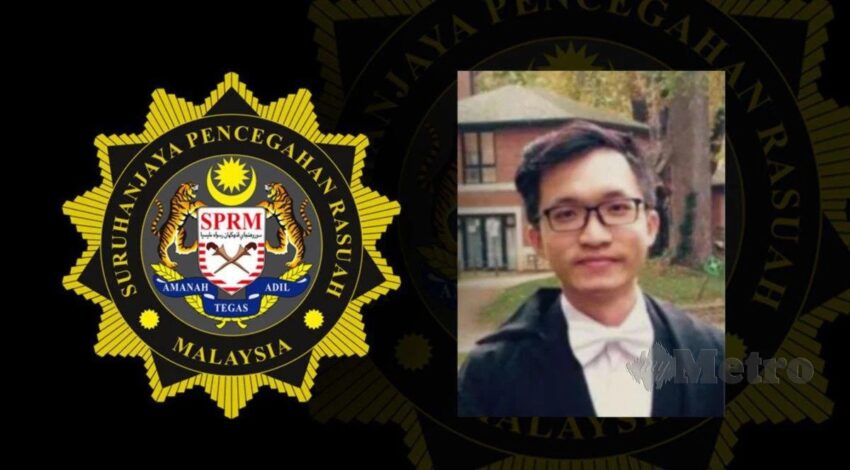
I am concerned by the manner in which Mr James Chai Jin Shern, a former policy aide at the Ministry of Economy, has been publicly portrayed in connection with the Malaysian Anti-Corruption Commission ongoing investigation.
Let me state clearly that corruption must always be investigated. No individual should be above the law, and enforcement agencies must be allowed to carry out their responsibilities professionally and independently.
At the same time, the manner in which investigations unfold in the public sphere matters greatly. When an individual who has publicly denied wrongdoing appears to be placed under intense public scrutiny before the full facts are established, it risks creating the perception that the process itself may be uneven or excessive.
James Chai has explained that his involvement related to his work as a policy aide participating in discussions surrounding Malaysia’s semiconductor ambitions. If this is indeed the context of his role, then the present situation inevitably raises questions among the public about whether a relatively junior individual is now bearing a level of public pressure that may not be proportionate to his position.
Regardless of the outcome of the investigation, it is important that the process does not give rise to the impression that an individual without political power or institutional backing is being left to face overwhelming public judgment on his own, particularly at a time when public discourse has been heightened by recent exchanges between Prime Minister Anwar Ibrahim and Economy Minister Rafizi Ramli.
Recent reports indicate that the Malaysian Anti-Corruption Commission issued a public notice seeking James Chai to assist in an investigation, which the Commission has stated is part of its normal investigative procedures after attempts to contact an individual have failed. While enforcement agencies must be allowed to perform their duties, the way such matters are communicated to the public inevitably shapes public perception.
The present matter could perhaps have been managed with greater care and sensitivity so that public confidence remains strong and public sentiment towards the government remains positive. When investigations involving individuals who are not public office holders are handled in a highly visible manner, it can unintentionally create the impression that a lone individual is being placed under disproportionate public pressure.
Many Malaysians still remember how leaders of the reform movement, including Prime Minister Anwar Ibrahim, once spoke powerfully about injustice, abuse of power and the dangers of institutions being perceived as instruments of pressure rather than guardians of justice.
The MADANI Government has consistently emphasised integrity, institutional reform and the rule of law. For these principles to remain credible, it is essential that enforcement processes are seen by the public as fair, measured and consistent.
Justice must not only be done; it must also be seen to be done. Public confidence in our institutions depends on investigations being conducted carefully, proportionately and without creating the appearance that any individual is being prematurely judged in the court of public opinion.
Malaysia deserves institutions that are firm against corruption, but also fair to every individual involved in the process.
Teresa Kok